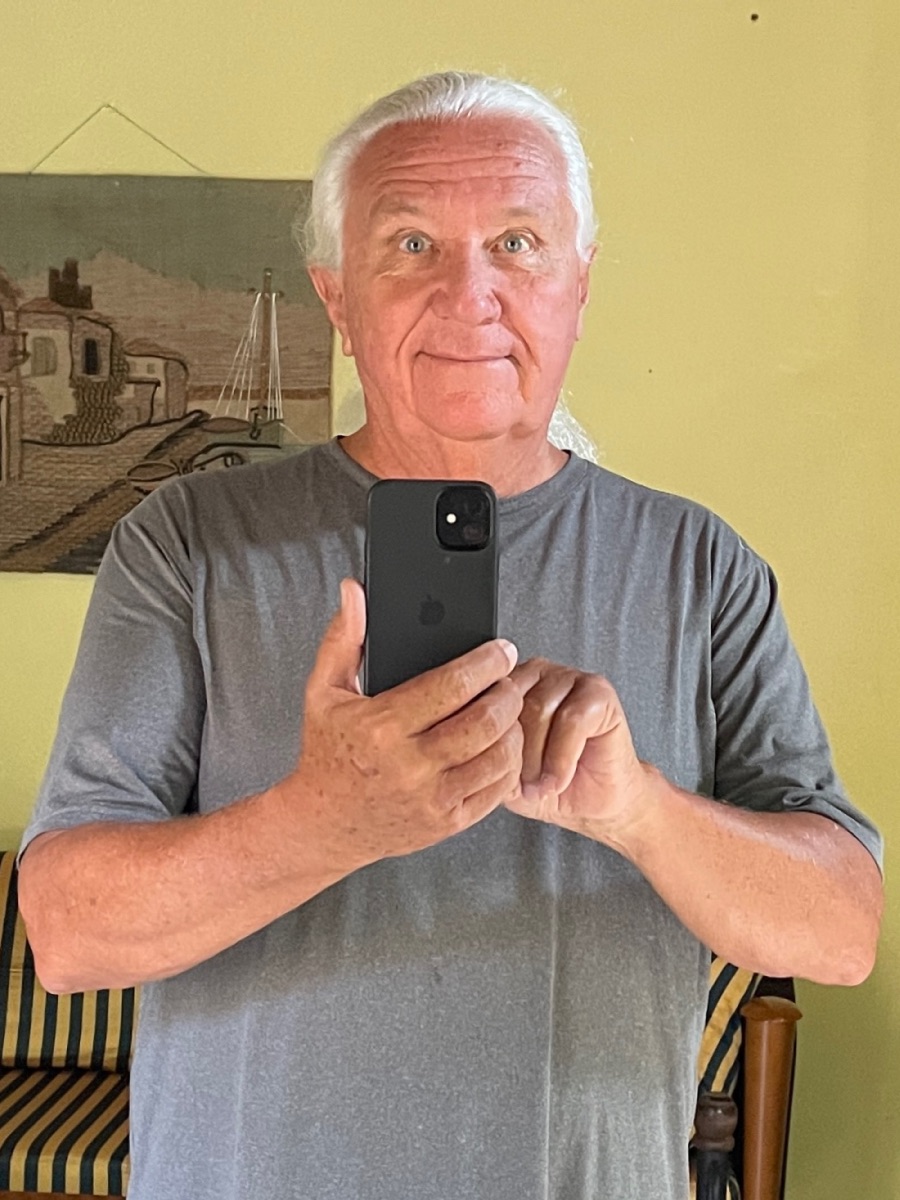
I have been a nomad for the last 16 of my 78 years. This blog is about nomadic living for seniors. It is based on my real-life experiences.
Disclaimer
“Nomad” is simplistic, vague and overused. I do not label myself a nomad when asked where I live, where I am from or what I do. My usual answers are: “My home is wherever I am at the moment. I have an American passport. I am retired. I slow travel year round and do not have a permanent address.”
I am easing into chapter four of nomadic living. It started a year ago when I not got control my type 2 diabetes. Thanks to a low-carb diet, I no longer suffer from the awful symptoms of diabetes that had ground me down to a dead stop. Recovery was neither rapid nor a complete return to the health and fitness of my earlier wandering days. I am old and getting older. I feel weaker and frailer with each passing day. The ravages of age march on. Does this mean I cannot go new places, meet new people and do adventurous things? Definitely not! It just means I have to pace myself.
Pacing is a two-part problem. The first and easiest is minor daily adjustments I make. I say easy because my body tells me what to do and I listen. I eat, sleep, exercise, work and socialize however and whenever my body tells me to. I have no set time table. Most scheduled activities are discretionary and easily skipped. Things like doctor’s appointments and can always be rescheduled. Most of the time, my travel itinerary allows me the same freedom to make minor daily pace adjustments that my body tells me.
The second and harder part of pacing is major adjustments to unforeseen illness or fatigue resulting from inadequate mental and physical fitness. Unforeseen illnesses and fatigue can happen at any time or place. I must deal with when and where they occur because I have no home to retreat to and recover. I only have itinerary bookings which leave me two choices. The first is to push on if I can, probably feeling miserable. The alternative is to interrupt my travels and stay where I am until I recover. Once recovered, I can “leap frog” and catch up to the original or rescheduled time point of my itinerary. My travel plans must allow for major adjustments to unforeseen illness and fatigue.
Unforeseen illness and fatigue can occur months from the time I book my itinerary but estimates of the probability, severity and my ability to cope is based on my condition at the time I make the bookings and past experiences of what can go wrong. Both under and over estimating my future health and fitness can have negative consequences. The consequences of over estimating are obvious – breakdown and travel disruption. Less obvious is the consequence of under estimation – loss of freedom. Fear and uncertainty about health and fitness lead me to go to safe, comfortable and known places. For example, my recent ordeal with diabetes severely restricted my mobility. I played it safe by spending the first five months recovering in a large American retirement community. This was followed by an easy five months in a very familiar Costa Rican expat community. I am currently back in the American retirement community catching up on medical and dental checkups. I have renewed my passport and began booking travels to new places, new people and new adventures.
Outlined below is a detailed time line of two months of bookings of slow travel. The itinerary takes into a account a realistic assessment of my health and fitness and minimizes stresses of prolonged travel. I know from past experience to avoid as much as possible the fatigue of long-distance multiple-connection flights in favor of shorter direct flights with overnight or multiple day layovers at airport hotels. A realist travel pace for me is to spend at least a month in any geographic area staying in accommodations at anchor locations that are less than a few hours from each other. Bookings at anchor locations are for at least two weeks and always have cooking facilities to prepare healthy low-carb meals.
Croatia and Canary IsLands
Depart Florida, USA
Croatia
Split, 14 nights
Markarska, 14 nights
Canary Islands
La Palma, 14 nights
Tenerife, 14 nights
Arrive Florida, USA
August & September, 2025
61 days
Estimated Time Line
Day
Transfer
Duration
Total Time
1
2
Shuttle to Orlando Airport (MCO) Check in Flight to London, UK (LGW) Immigration & hotel transfer
1 hr 30 min 2 hr 8 hr 30 min 1 hr 30 min
13 hr 30 min
LGW Airport Hotel
1 night
3
Airport transfer & check in Flight to Split, Croatia (SPU) Immigration Bus to Airbnb
2 hr 30 min 2 hr 35 min 30 min 30 min
6 hr min
Split Airbnb
14 nights
17
Bus to Makarska, Croatia
1 hr 15 min
1 hr 15 min
Makarska Airbnb
14 nights
31
Bus to Split Bus to Airport (SPU)
1 hr 15 min 30 min
1 hr 45 min
SPU Airport Hotel
1 night
32
Airport transfer & checkin Flight to Madrid, Spain (MAD) Hotel transfer
1 hr 30 min 3 hr 30 min
5 hr
MAD Airport Hotel
1 night
33
Airport transfer & check in Flight to Santa Cruz de La Palma (SPC) Bus to Airbnb
1 hr 30 min 3 hr 5 min 30 min
5 hr 5 min
Santa Cruz de La Palma
14 nights
47
Ferry – Santa Cruz de La Palma -> Los Cristianos, Tenerife
2 hr 30 min
2 hr 30 min
Los Cristianos
14 nights
61
Bus to Airport (TFS) Check in Flight to London, UK (LGW) Immigration & hotel transfer
30 min 2 hr 4 hr 20 min 1 hr 30 min
7 hr 20 min
LGW Airport Hotel
1 night
62
Airport transfer & check in Flight to Orlando, FL, USA Immigration Shuttle to Accommodations
My nomadic wanderings has four distinct periods. The two earliest episodes were sixty years ago bumming around Europe in the 60s and fifty years ago living in a VW bus in the 70s. The thirty years between 1980 to 2010 were lost to work, relationships, material excess and wealth accumulation. All of that is ancient history. The third and fourth episodes of wandering are more relevant to my present nomad lifestyle.
The third chapter of my nomadic life began with retirement on August 10, 2010 and ended the first day of COVID lockdown in Cape Town on March 17, 2020. These ten years started with several attempts to relocate to the my ideal retirement location. My initial picks were based on weekend and holiday experiences I had during my working years. I discovered there is no ideal location. Every place has pluses and minuses. The biggest factor for me was weather which is ideal year-round in very few places.
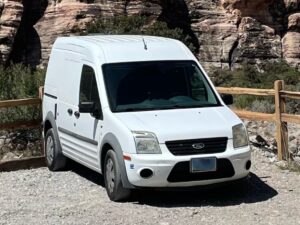
I also learned how burdensome material possessions are. I started out with a large house, three cars, a sailboat, and etc. The “ball and chain” grew smaller each time I moved. Purging useless possessions preceded slowly. I didn’t feel free until I sold my last real estate holding on April 1, 2014. I have not owned or leased a home or had a real physical address since then. I keep a small van that spends most of the time in a storage lot somewhere in the USA. It doubles as a storage locker and camper for North American road trips. The van currently costs $60 a month to insure and store. It is my largest fixed expense.
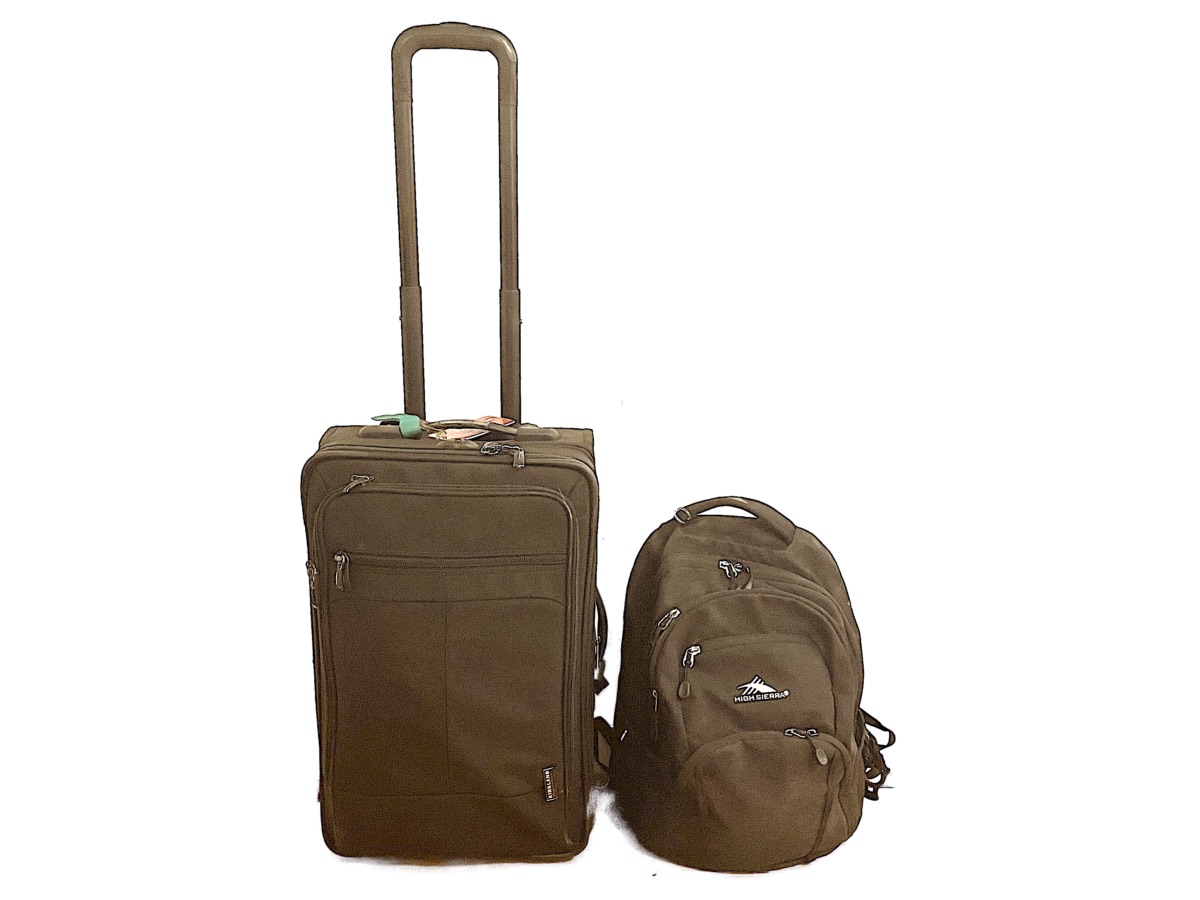
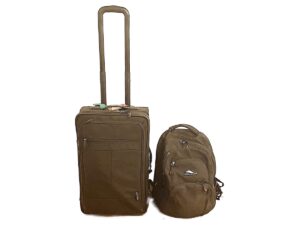
I mastered the mechanics of nomadic living in the ten years between retirement and Covid. Most of the time I lived out of a day pack and a carryon roller bag. I felt comfortable and confident continuously traveling around the world following good weather to interesting places and warm sunny beaches. My basic migration route was two 5-month global circumnavigations each year. I tried to spend May through September in north temperate and south tropical latitudes. November through March were spent in south temperate and north tropical latitudes. October and April were pitstops in the USA to take care of medical, financial and legal stuff.
All was going well until March 17, 2020 when COVID slammed on the breaks. I was in Namibia. I caught the last plane to South Africa before the border closed and spent a month locked down in Cape Town. I was lucky to get out of Africa and spent most of the pandemic on a Caribbean Island – a story for another post. My travels got going again after my first COVID vaccination on March 22, 2021. Things did not go well. Unbeknownst to me, my latent pre-diabetes had evolved into full blown of type 2 diabetes. I thought I had come to the end of the road and began looking into assisted living facilities. Fortunately, I was easily cured by a low-carb diet. At 76, I began my fourth chapter of nomadic living.